

100+ Different Types of Fabric with Pictures, Properties & Uses (2026 Ultimate Guide)
Fabric is the foundation of every textile and apparel product we use every day. From comfortable cotton T-shirts to luxurious silk dresses, durable denim jeans, and waterproof outdoor jackets, each fabric is designed with specific characteristics to suit different purposes.
Understanding fabric types is essential for textile engineering students, garment professionals, fashion designers, merchandisers, buyers, and even consumers who want to choose the right material. Fabric selection directly affects comfort, durability, appearance, performance, cost, and sustainability.
This guide explains the major fabric categories, highlights the most commonly used fabrics, and provides an extensive list of more than 100 fabric names to help you explore the world of textiles.
What Is Fabric?
Fabric is a flexible material created by interlacing, knitting, bonding, or otherwise combining fibers or yarns. It can be made from natural fibers such as cotton and wool, manufactured fibers such as polyester and nylon, or blends that combine the strengths of multiple fiber types.
The right fabric depends on the product’s intended use. Summer clothing requires breathable materials, while outdoor gear often demands water resistance and durability.
How Fabrics Are Classified
Fabrics are commonly classified in four ways:
- Natural fabrics – Made from plant or animal fibers.
- Manufactured fabrics – Produced from regenerated or synthetic fibers.
- Construction method – Woven, knitted, or non-woven.
- End use – Apparel, home textiles, industrial textiles, medical textiles, and technical textiles.
Understanding these categories makes it easier to select the most suitable material for a specific application.
Natural Fabrics
Natural fabrics come directly from plants or animals. They are valued for comfort, breathability, and biodegradability.
Cotton
Cotton is one of the world’s most widely used textile fibers. It is soft, breathable, absorbent, and comfortable, making it ideal for everyday clothing, bed linens, and baby garments.
Advantages
- Soft and comfortable
- Excellent moisture absorption
- Breathable
- Easy to dye
Common Uses
- T-shirts
- Shirts
- Dresses
- Towels
- Bed sheets
Linen
Made from flax fibers, linen is highly breathable and cool, making it a favorite for hot climates.
Advantages
- Lightweight
- Strong
- Naturally antibacterial
- Eco-friendly
Common Uses
- Summer clothing
- Tablecloths
- Curtains
- Home décor
Silk
Silk is a luxurious natural fiber produced by silkworms. It is known for its smooth texture and elegant appearance.
Advantages
- Soft
- Lightweight
- Excellent drape
- Natural shine
Common Uses
- Sarees
- Evening gowns
- Scarves
- Luxury garments
Wool
Wool is obtained from sheep and is widely used for winter clothing due to its excellent insulation.
Common Uses
- Sweaters
- Blankets
- Coats
- Suits
Synthetic Fabrics
Synthetic fibers are engineered for durability, performance, and affordability.
Polyester
Polyester is one of the most popular synthetic fibers because it is strong, wrinkle-resistant, and quick-drying.
Advantages
- Durable
- Low maintenance
- Good color retention
- Affordable
Uses
- Sportswear
- Jackets
- School uniforms
- Home textiles
Nylon
Nylon offers excellent strength, elasticity, and abrasion resistance.
Uses
- Activewear
- Backpacks
- Ropes
- Outdoor products
Acrylic
Acrylic resembles wool but is lighter and easier to maintain.
Uses
- Sweaters
- Blankets
- Winter accessories
Spandex (Elastane)
Spandex provides exceptional stretch and recovery.
Uses
- Leggings
- Swimwear
- Sportswear
- Compression garments
Regenerated (Semi-Synthetic) Fabrics
These fabrics are made from natural cellulose that has been chemically processed.
Rayon
Known for its softness and silk-like feel.
Viscose
Popular for dresses, blouses, and linings.
Modal
Soft, durable, and commonly used in premium underwear and sleepwear.
Lyocell (TENCEL™)
Environmentally friendly, breathable, and comfortable.
Woven Fabrics
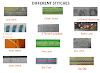
Woven fabrics are made by interlacing warp and weft yarns.
Popular woven fabrics include:
- Poplin
- Twill
- Denim
- Oxford
- Canvas
- Satin
- Chambray
- Jacquard
- Dobby
- Taffeta
Knit Fabrics
Knitted fabrics are formed by interlocking loops of yarn, giving them flexibility and stretch.
Common knit fabrics include:
- Single Jersey
- Rib Knit
- Interlock
- Piqué
- French Terry
- Fleece
- Ponte Roma
- Ottoman Knit
- Milano Knit
- Waffle Knit
Non-Woven Fabrics
Non-woven fabrics are produced by bonding fibers together instead of weaving or knitting.
Applications include:
- Medical masks
- Surgical gowns
- Geotextiles
- Disposable shopping bags
- Interlinings
- Automotive insulation
100+ Fabric Names
Here is a curated list of fabric names across different categories:
Cotton, Linen, Hemp, Jute, Ramie, Bamboo, Silk, Wool, Cashmere, Mohair, Angora, Alpaca, Polyester, Nylon, Acrylic, Spandex, Polypropylene, Olefin, Rayon, Viscose, Modal, Lyocell, Acetate, Cupro, Denim, Canvas, Poplin, Twill, Oxford, Chambray, Satin, Sateen, Crepe, Chiffon, Georgette, Organza, Taffeta, Velvet, Velour, Corduroy, Fleece, French Terry, Jersey, Rib Knit, Interlock, Piqué, Ponte Roma, Waffle Knit, Scuba Knit, Mesh, Lace, Tulle, Felt, Neoprene, Microfiber, Suede, Faux Leather, PVC Fabric, Cork Fabric, Banana Fabric, Soy Silk, Milk Fiber, Pineapple Fabric (Piñatex), Lotus Fabric, Carbon Fiber Fabric, Kevlar, Nomex, Reflective Fabric, Ripstop, Softshell, Hardshell, Sherpa, Seersucker, Broadcloth, Flannel, Muslin, Gauze, Duck Cloth, Drill, Gabardine, Herringbone, Houndstooth, Melton, Moleskin, Terry Cloth, Velveteen, Buckram, Cheesecloth, Burlap, Gingham, Madras, Percale, Quilted Fabric, Crinkle Fabric, Double Gauze, Slub Cotton, Stretch Denim, Jacquard Knit, Brushed Knit, Spacer Fabric, Air Mesh, Power Mesh, Polar Fleece, Coral Fleece, Boa Fleece, Birdseye Knit, Eyelet Fabric, Swiss Dot, Brocade, Damask, Lurex, Sequined Fabric, and many more.
How to Choose the Right Fabric
When selecting a fabric, consider:
- Purpose of the garment
- Climate
- Comfort
- Durability
- Stretch
- Wrinkle resistance
- Moisture management
- Ease of care
- Cost
- Sustainability
Frequently Asked Questions
Which fabric is best for summer?
Cotton, linen, bamboo, and lightweight rayon are excellent choices because they are breathable and comfortable.
Which fabric lasts the longest?
High-quality polyester, nylon, canvas, denim, and wool are known for their durability when properly maintained.
Which fabric is best for sportswear?
Polyester blended with spandex is widely used because it offers moisture management, flexibility, and durability.
Is cotton better than polyester?
Neither is universally better. Cotton provides natural comfort and breathability, while polyester offers greater durability, wrinkle resistance, and faster drying. The best choice depends on the intended use.
Conclusion
Choosing the right fabric is essential for creating comfortable, durable, and functional textile products. Each fabric has unique properties that make it suitable for specific applications, whether it is everyday clothing, luxury fashion, sportswear, home furnishings, or industrial products.
By understanding fabric types, their characteristics, and their practical uses, students, professionals, buyers, and consumers can make more informed decisions and select materials that best meet their needs.



0 Comments